

Iran has rejected the possibility of shipping any of its enriched uranium abroad and stated that it will not engage in negotiations with the United States until Washington meets its demands. The firm stance comes as Pakistan attempts to revive dialogue between the two countries.
“Not a single gram of enriched uranium will be removed from Iran. There will be no negotiations until the United States takes steps to build trust. That process must begin with the full fulfillment of all Iran’s conditions,” Mohsen Rezaei, secretary of Iran’s National Security Council, said in a post on X.
Rezaei reaffirmed Tehran’s position during a separate meeting with Pakistan’s army chief, Field Marshal Asim Munir, who is in Iran as part of efforts to mediate between the two countries.
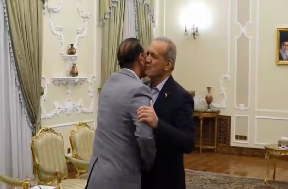
According to Iranian media outlet Nournews, President Masoud Pezeshkian discussed regional developments and mediation initiatives with Munir in Tehran on Tuesday. Munir also held a meeting with Iranian Parliament Speaker Mohammad Bagher Ghalibaf.
Iran lays down conditions for talks with US
Ghalibaf said Washington would be unable to restore Tehran’s trust unless it met seven conditions laid out by Iran last month for reopening the Strait of Hormuz, according to an Iranian account of the meeting.
The conditions include lifting the US blockade on Iranian ports, removing sanctions on Iran’s oil exports and ending hostilities across all regional fronts.
Rezaei also reiterated Supreme Leader Ayatollah Mojtaba Khamenei’s position that uranium enriched to near-weapons-grade levels must not be transferred outside Iran.
Nuclear enrichment continues to hinder a potential deal
Iran’s nuclear programme remains one of the main obstacles to reaching a possible agreement with Washington.
Earlier this month, US Vice President JD Vance said Tehran would need to significantly curb its uranium enrichment capabilities to satisfy US demands and bring the eight-month-long conflict between the two countries to an end.
The United States, Israel and several other Western nations have repeatedly accused Iran of pursuing nuclear weapons development. Their concerns stem partly from Tehran’s enrichment of uranium to 60 per cent, well above the levels generally required for civilian nuclear purposes and approaching the approximately 90 per cent enrichment level associated with weapons-grade uranium. Meanwhile, Iran denies the charges of developing nuclear weapon.
Pakistan has emerged as a crucial mediator in attempts to ease tensions between the United States and Iran. Its earlier diplomatic efforts helped secure an interim peace agreement in June, but the Islamabad Memorandum soon collapsed after fighting between the two countries resumed a few weeks later.