
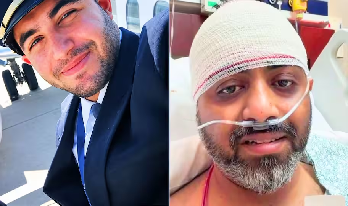

A pro-Al-Qaeda publication has urged copycat attacks on aircraft carrying Americans and Israelis days after the attempted takeover of flydubai Flight FZ1073. The September 30 cockpit assault has now entered extremist propaganda as UAE investigators examine co-pilot Hamam al-Hammami’s background, digital activity and possible links. Authorities have not established an organisational connection to al-Qaida in the case at this stage.
Pro-al-Qaida publication invokes 9/11 and flydubai attack
The message appeared in the latest edition of al-Bayan, a weekly Arabic-language publication produced by supporters of al-Qaida. The article invoked the September 11, 2001, attacks in the United States, commonly known as 9/11, as well as the September 30 incident aboard flydubai Flight FZ1073, which was flying from Dubai to Tel Aviv. It called for attacks on aircraft carrying Americans, Israelis and people it described as fighting Islam.
“The war isn’t over yet – planes carrying Zionists, Americans and all the other infidels fighting against Islam are still hovering in the skies and could be targetted, as happened on September 11th and 30th,” the Arabic-language al-Bayan article said.
The publication paired the message with imagery from the 9/11 attacks and material referring to the flydubai incident. It also used the phrase “empire of evil America” and predicted that the United States would eventually end. Copies of the issue circulated through Telegram channels linked to the publication before some of the material disappeared.
UAE says flydubai incident was an attempted terrorist act
UAE Attorney-General Hamad Saif Al Shamsi said on October 3 that investigators had found that the co-pilot tried to carry out a terrorist act and had started executing a planned attack during the flight. According to the official account, Omani co-pilot Hamam al-Hammami attacked Captain Smit Machchhar inside the flight deck with a crash axe and tried to take control of the aircraft. Investigators are examining physical and digital evidence and any links connected to the case.
Flydubai said the aircraft was brought back under control with help from crew members travelling on board. Flight FZ1073 diverted to Tabuk in Saudi Arabia and landed safely. Al-Hammami was later transferred to UAE custody. The airline has said it is working with the authorities investigating the incident.
Deleted accounts add another line to the terror investigation
Social-media accounts linked to al-Hammami contained posts featuring former al-Qaida leader Ayman al-Zawahiri and Humam Khalil Abu-Mulal al-Balawi, an al-Qaida supporter who carried out a 2009 suicide bombing at a CIA base in Afghanistan. Some posts appeared after the flydubai incident. It was unclear who published them or whether they had been scheduled in advance.
What investigators know about Hamam al-Hammami
Al-Hammami has been identified as an Omani co-pilot who had worked for Oman Air and later entered a recruitment process with Royal Air Maroc before joining flydubai. He had previously been barred from flying at Oman Air over concerns about extremist views. Royal Air Maroc told Reuters that he completed three months of theoretical training in 2025 and was not selected for employment.
Deleted accounts linked to al-Hammami also carried footage of Israeli aircraft and material involving al-Qaida figures. Investigators have not announced that he was an al-Qaida member, received orders from the organisation or worked with an outside cell. The UAE Attorney-General has said investigators are still checking motive, planning and possible links.
How the flydubai cockpit attack unfolded
Flight FZ1073 was travelling from Dubai to Tel Aviv on September 30 when Machchhar was attacked inside the cockpit. The aircraft went into a steep descent during the confrontation. Machchhar managed to open the cockpit door despite his injuries, allowing others on board to intervene. Pilots travelling on the aircraft then helped bring the flight safely into Tabuk, according to reports and the airline’s account.
The UAE investigation has since moved beyond the initial description of a cockpit altercation. Prosecutors now call it an attempted terrorist act involving prior planning. The separate appearance of pro-al-Qaida propaganda shows how quickly the September 30 attack has been adopted by extremist media even as investigators work to establish whether al-Hammami acted alone or had outside links.