
India brought its Aichi-Nagoya Asian Games 2026 campaign to a close in fourth place on the medal table, finishing with 85 medals, including 21 gold, 27 silver and 37 bronze. The continental showpiece concluded on Sunday, October 4, with shooter Neeru Dhanda leading the Indian contingent as flagbearer at the closing ceremony.
While India’s final tally fell short of its record-breaking 107-medal haul at the Hangzhou Asian Games in 2022, the campaign produced several historic achievements across sports and strengthened the country’s push towards the 2028 Los Angeles Olympics.
India’s Golden finish in team sports
Cricket once again delivered gold for India, with both the men’s and women’s teams finishing on top. The men’s side defeated Pakistan in the final to retain its Asian Games title, while the women’s team also successfully defended its crown.
Hockey provided another major highlight. The Indian men’s team defeated Malaysia 5-1 in the final to retain its Asian Games title and secure direct qualification for the 2028 Los Angeles Olympics. Captain Harmanpreet Singh scored twice, with Jugraj Singh, Hardik Singh and Shilanand Lakra also finding the net.
The women’s hockey team also won gold, defeating China 1-0 in the final. It marked the first time that India’s men’s and women’s hockey teams won gold at the same edition of the Asian Games.
Kabaddi added to India’s team-sport success, with both the men’s and women’s teams securing gold medals.
Historic Golds and breakthrough performances
Aichi-Nagoya also produced a number of landmark moments for Indian sport. Pranavi Urs created history by becoming the first Indian woman to win an individual Asian Games golf gold medal. Her performance was among the standout breakthroughs of India’s campaign.
Archery was another major contributor to India’s gold-medal tally, while boxing and wrestling also produced multiple podium finishes. India’s campaign was not limited to its traditional medal-winning sports. Suchika Tariyal became the country’s first Asian Games medallist in mixed martial arts, winning bronze in the women’s Traditional 60kg category.
The Games also brought important milestones in sports such as weightlifting and squash, underlining India’s expanding presence across the continental sporting landscape.
Athletics and Shooting remain key contributors
Athletics and shooting remained among India’s biggest medal-producing disciplines during the Games. India’s athletics campaign produced a series of notable performances, including medals in track and field events despite the challenging weather conditions that affected several competitions in Aichi-Nagoya.
Shooting also remained an important contributor to India’s overall tally, with Indian shooters adding multiple medals across individual and team events. Neeru Dhanda was among the country’s standout performers and later received the honour of carrying the Indian flag at the closing ceremony.
Olympic Qualification adds to India’s campaign
The Aichi-Nagoya Games carried additional significance because several sports offered qualification pathways for the 2028 Los Angeles Olympics. India secured Olympic qualification through hockey, with both the men’s and women’s teams earning direct berths after their respective gold-medal triumphs. The qualification opportunities added another layer to India’s Asian Games campaign, with several athletes now turning their attention towards the next major Olympic cycle.
A campaign of Golds, firsts and new stars
India’s 85-medal haul tells only part of the story. The Aichi-Nagoya campaign featured established champions defending their titles, athletes breaking through for their first major international medals and several competitors creating history in sports where India had previously struggled for continental success.
The men’s hockey team’s title defence, gold medals in cricket and kabaddi, breakthroughs in golf and MMA, and a strong showing across archery, boxing, wrestling, athletics and shooting ensured that India’s campaign had plenty of memorable moments. At the same time, the Games highlighted the depth of Indian sport beyond its biggest names.
For many athletes, Aichi-Nagoya represented years of preparation condensed into a few minutes of competition. Some returned with medals, others with valuable experience, but the scale of India’s participation across disciplines reflected the country’s increasingly broad sporting ambitions.
India’s Asian Games journey ends in fourth place
China topped the final medal standings, with Japan and South Korea completing the top three, while India finished fourth with 21 gold, 27 silver and 37 bronze medals.
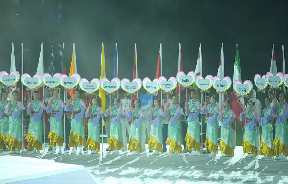
The closing ceremony brought an end to more than two weeks of competition in Japan. The focus will now shift towards the next stage of the sporting cycle, with the Los Angeles Olympics in 2028 already emerging as the next major target for India’s leading athletes.
Aichi-Nagoya may not have matched India’s record medal haul from Hangzhou, but the 2026 Asian Games still left India with a collection of historic victories, new champions and valuable Olympic momentum.